Who gets the last kibbeh? Ziryab and table manners from Córdoba to Nazareth
One kibbeh is left on the plate. Ziryab’s glass in Córdoba, al-Jahiz’s sharp eye, and a Nazareth lunch show how much can happen around a shared dish.
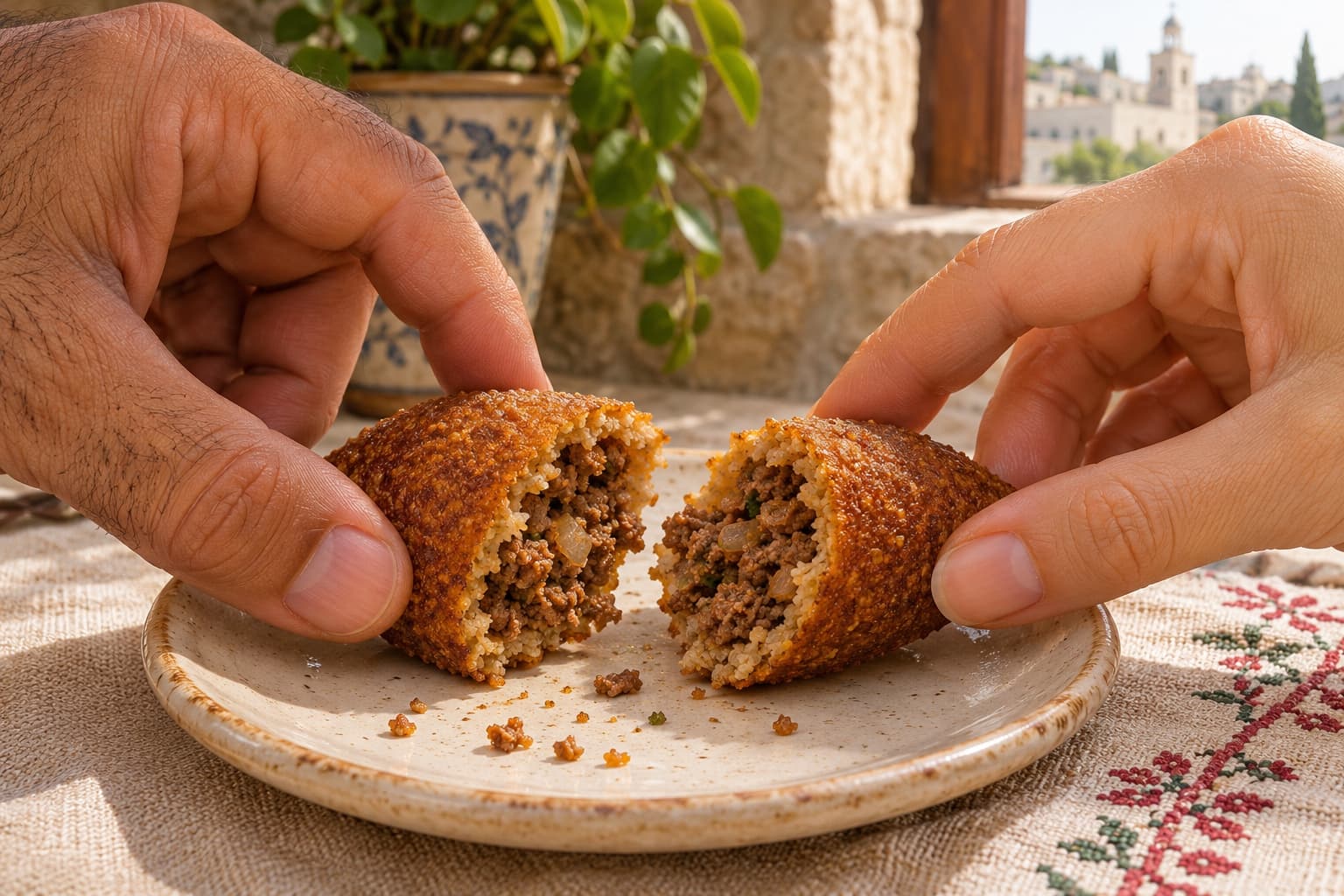
One kibbeh is left on the plate. A minute ago, hands reached for it without a second thought. Now the plate passes four people and comes back where it started. The host asks, “Who wants the last one?” Someone says they’re full. Someone else looks across the table. The kibbeh is still hot.
Those few seconds tell us something about table manners. Everyone knows how to eat a kibbeh. The question is how to take it while leaving room for everyone else to have a say. The old books are full of observations like that. Córdoba remembered Ziryab for the glass he liked to serve drinks in. Al-Jahiz paid attention to where diners left their date pits. He would have had a field day with that last kibbeh.
Ziryab in Córdoba and the choice of a glass
Ziryab was a ninth-century musician and singer at the court of Abd al-Rahman II in Córdoba. Amid the stories about his music is a small detail about the table. He reportedly preferred serving drinks in fine glass rather than heavy metal cups. Accounts also associate him with serving food on leather coverings. José Miguel Puerta Vílchez on Córdoba and its arts
To see why the story stayed with people, pour the same pomegranate juice into a metal cup and a glass. In the cup, you have to look down to see the colour. In the glass, you can see it even from the far end of the table. You can watch the person pouring it stop just before the rim. The recipe is the same. The guest has seen something different.
Did Ziryab invent table manners? The evidence gives us too little to say he invented them or to assign him the order of soup, main course and dessert. Dwight Reynolds compared Ibn Hayyan’s eleventh-century account with al-Maqqari’s seventeenth-century biography and traced the growth of the legend. The glass story gives us a glimpse of how al-Andalus remembered Ziryab and his taste. Dwight Reynolds on the making of Ziryab’s legend
Al-Jahiz was watching the bread
In Iraq in the same century, al-Jahiz wrote about diners you might recognise. In The Book of Misers, one opens the edge of his bread and dips it into the pot, soaking up the best fat before anyone else gets a share. Another mixes his date pits into his neighbour’s pile to hide how much he ate. Al-Jahiz, The Book of Misers · The Met on dining etiquette in Abbasid Iraq
Imagine a warm bowl of hummus instead, with olive oil and toasted pine nuts in the centre. One hand drops in with a big piece of bread and comes up with all the pine nuts. Now you know exactly who al-Jahiz meant.
The two stories give us different questions to ask at the same table. Which glass shall I pour my guest’s drink into? What’s left on the plate for the person eating beside me?
When a guest says she’s had enough
Imagine lunch in Nazareth. The host lifts the serving spoon for another piece of meat. A guest covers her plate with her hand. “Bless your hands. I’m full.” The host spent the morning cooking and wants to show affection with another helping. The guest wants to thank the host and stop eating while she’s comfortable.
A kind answer might be, “Sahtein. The tray’s right here if you feel like more later.” The offer stands and the guest gets to decide. Then the host can change the subject and let her enjoy the conversation.
Coffee works the same way. Ask a guest if they want a cup and they might say, “In a bit.” It’s easier to pour ten cups at once. Remembering which person wanted theirs a little later is what makes the welcome feel personal.
So who gets the last kibbeh?
If the plate keeps going around, ask the person beside you, “Want to split it?” Now you can both say you still want it. The crust breaks, a little steam escapes, and you each take a half while it’s warm.
A week later, your guest may have forgotten the glasses and the colour of the tablecloth. She might remember that you heard her the first time she said she’d had enough. The person beside you might ask for two kibbeh at the next lunch. One for them, and one for you.
Where to try kibbeh in Nazareth
If the story left you craving kibbeh, order a plate to share in Nazareth. Notice the texture of the shell, the spices in the filling, and what each kitchen serves alongside it.
Alreda (Al Rida) at 21 Al-Bishara Street in the Old City serves Palestinian-Galilean food with European touches. A Nazareth dining guide mentions its kibbeh. Ask the restaurant what’s available that day. Alreda on Tripadvisor · Restaurant and bookings · Nazareth dining guide
Diana, also known as Abu Dukhul, at 51 Paul VI Street is a family restaurant founded by Abu Dukhul Safadi. Its published menu lists kibbeh with goat’s-milk yogurt. If it’s available, try a bite of kibbeh on its own, then try it with the yogurt. Diana’s menu and address
At your table, who takes the last one?
Where to go next
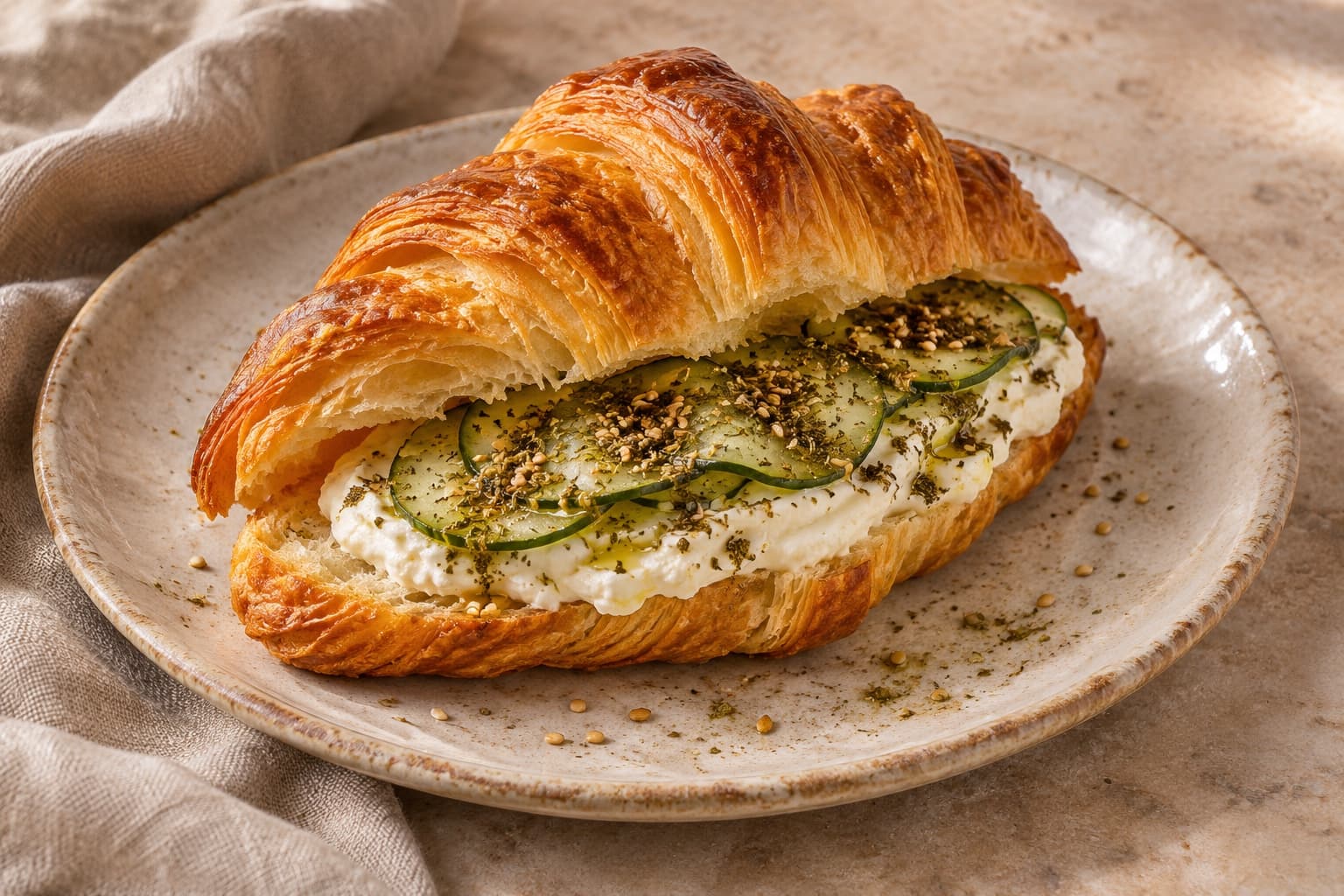
Labneh and za’atar croissant, LaCafé Nazareth’s weekend special
A croissant with labneh, za’atar, and cucumber for the weekend at LaCafé in Nazareth. Follow that first bite back to Ziryab and try five recipes at home.
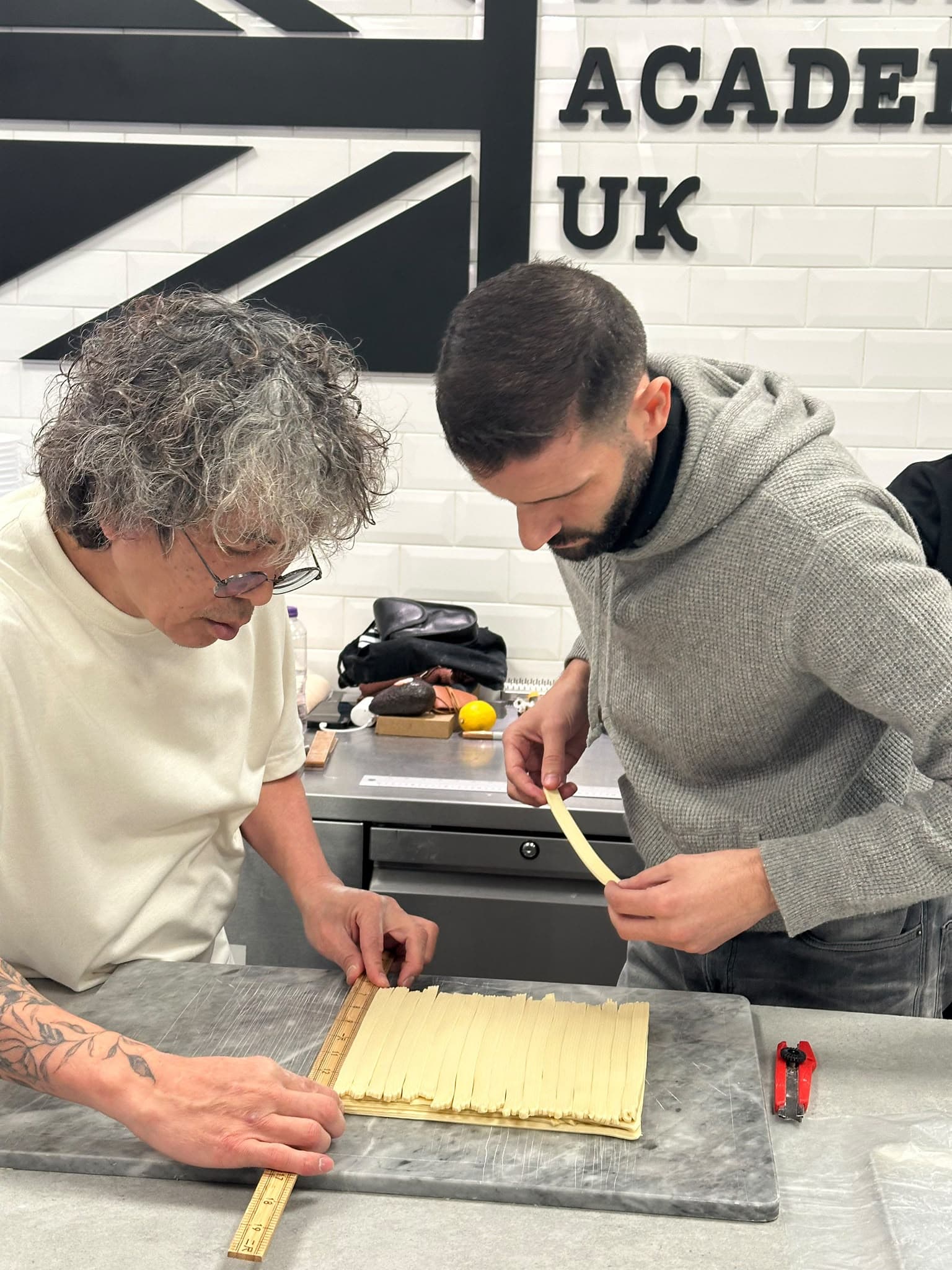
From Nazareth to Britain for a better croissant: Mohammed Zoabi’s journey and LaCafé’s ambition
One croissant, two days of learning, and an ambition that comes home to Nazareth. Join Mohammed Zoabi’s exploration of laminated pastry with Oldman Teh.